



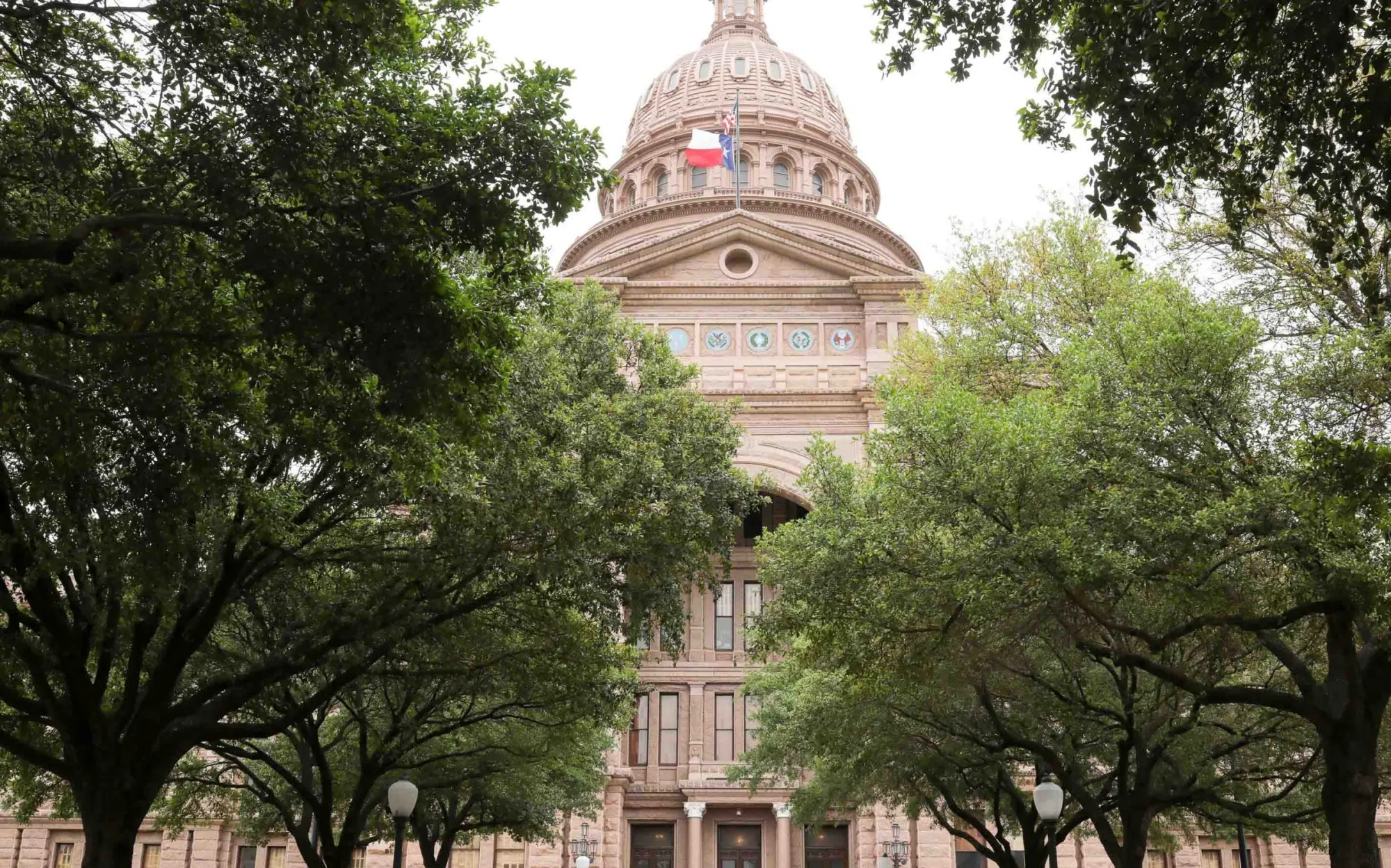
Global dehumanization – A recent declaration by Texas Governor Greg Abbott, targeting the Council on American-Islamic Relations (CAIR) with accusations of antisemitism, has ignited a firestorm of controversy. While on the surface a state-level political maneuver, the governor’s call for an investigation into the prominent Muslim civil rights organization is far more than a localized dispute. It serves as a stark and troubling reflection of a dangerous global trend: the weaponization of dehumanizing language to silence dissent, marginalize minority communities, and simplify complex geopolitical conflicts into a binary of good versus evil. Abbott’s move did not occur in a vacuum; it is a direct consequence of a political climate where nuance is sacrificed for inflammatory rhetoric, a climate that has been carefully cultivated both at home and abroad. This article delves into the specifics of the governor’s accusations, the history and role of CAIR, the broader context of global dehumanization, and the profound implications for free speech, civil liberties, and the very fabric of our communities.
The Governor’s Decree: A Flashpoint in Texas
The immediate catalyst for the current controversy was a public statement from Governor Abbott’s office, unequivocally labeling CAIR as an “antisemitic” and “pro-Hamas” organization. Citing comments made by CAIR’s national executive director, Nihad Awad, who stated he was “happy to see” Palestinians breaking the siege of Gaza and called for a free and democratic Palestine, Abbott directed the state’s public safety officials to investigate the organization. In his letter, the governor asserted that such rhetoric fuels antisemitism and endangers the Jewish community in Texas, framing his call to action as a necessary measure to combat hate and ensure security.
The Accusation and Its Timing
Governor Abbott’s language was direct and uncompromising. He characterized CAIR as an organization that “has a long history of supporting terrorism” and called on the state to uncover the full extent of its operations and funding within Texas. The timing of this declaration is critical. It arrived amidst heightened global tensions surrounding the Israel-Hamas war, a period marked by intense and often polarizing debate across the United States. Pro-Palestinian advocacy, including calls for a ceasefire and criticism of Israeli military actions, has been met with a powerful counter-narrative that frequently conflates criticism of the Israeli government with antisemitism. Abbott’s decree firmly places the Texas state government within this counter-narrative, using the authority of his office to legitimize one side of a fiercely contested political debate.
The political context within Texas itself cannot be overlooked. Governor Abbott has consistently positioned himself as a staunch ally of Israel and a hawk on issues of national security. By targeting a high-profile Muslim organization, he reinforces his political brand, appealing to a conservative base that is often skeptical of Muslim advocacy groups and deeply supportive of Israel. The move aligns with a broader national strategy among some political conservatives to delegitimize organizations perceived as being on the progressive left, particularly those advocating for minority or immigrant rights.
CAIR’s Rebuttal and a Chorus of Condemnation
CAIR’s response was swift and forceful. Both the national organization and its Texas chapters vehemently denied the governor’s accusations, condemning them as a “scurrilous, defamatory, and dangerous” attempt to silence advocacy for Palestinian human rights. In their rebuttal, CAIR leaders framed Abbott’s actions as a politically motivated smear campaign designed to intimidate American Muslims and distract from the humanitarian crisis in Gaza. They argued that the governor was deliberately misrepresenting their statements, taking them out of context to fit a preconceived narrative of extremism.
CAIR-Texas emphasized its decades-long history of defending civil rights for all Texans, working within the legal system to combat discrimination, and promoting interfaith dialogue. They pointed to the governor’s move as a classic example of a “chilling effect,” where the threat of government investigation is used to suppress constitutionally protected free speech. They were not alone in their condemnation. A broad coalition of civil liberties groups, including the American Civil Liberties Union (ACLU), quickly voiced their support for CAIR. These organizations warned that Abbott’s actions set a dangerous precedent, where a governor can use the levers of state power to target a political adversary based on their viewpoint, threatening the First Amendment rights of all citizens. Progressive Jewish organizations also spoke out, drawing a clear line between the genuine fight against antisemitism and the political weaponization of that fight to crush dissent on Israeli policy.
Dissecting CAIR: A Profile of Advocacy and Controversy
To understand the weight of Governor Abbott’s accusations, one must understand the organization at their center. The Council on American-Islamic Relations is not a fringe group; it is the largest and most prominent Muslim civil rights and advocacy organization in the United States. Understanding its history—both its celebrated achievements and the controversies that have long trailed it—is essential to contextualizing the current conflict.
A Mission of Empowerment and Civil Rights
Founded in 1994, CAIR emerged to fill a critical void for a growing and increasingly visible American Muslim community. Its stated mission is to “enhance understanding of Islam, protect civil rights, promote justice, and empower American Muslims.” In practice, this translates into a wide array of activities. CAIR’s legal departments across the country file lawsuits on behalf of Muslims facing discrimination in employment, housing, and education. They challenge government surveillance programs, advocate against watchlists, and provide legal assistance to individuals they believe have been unfairly targeted by law enforcement. Beyond the courtroom, the organization engages in extensive media relations, working to counter negative stereotypes of Islam and Muslims in news and entertainment. They conduct research, publish reports on anti-Muslim bias, and lead voter registration drives to increase the civic participation of the Muslim community. For many American Muslims, CAIR is the first line of defense against Islamophobia and a vital voice representing their interests in the halls of power.
The Shadow of Unindicted Co-Conspirator
Despite its mainstream civil rights work, CAIR has been dogged by controversy since its early years. The most significant and enduring source of this controversy stems from the 2007 Holy Land Foundation for Relief and Development trial. The Holy Land Foundation was a Texas-based charity convicted of funneling money to Hamas, a designated terrorist organization. In the course of that prosecution, federal prosecutors listed CAIR, along with nearly 300 other Muslim organizations and individuals, as an “unindicted co-conspirator.”
This label has become the cornerstone of nearly every attack leveled against CAIR since. Critics, including Governor Abbott, point to it as definitive proof of the organization’s ties to extremism. However, the legal reality is far more complex. Being named an unindicted co-conspirator means the government believes you have some connection to a criminal conspiracy but has chosen not to—or is unable to—bring formal charges. CAIR was never charged with a crime, and its leaders have consistently argued that the designation was a tactic of prosecutorial overreach designed to smear the wider American Muslim leadership. They have fought in court for years to have the designation removed, arguing it has caused irreparable harm to their reputation. While a federal judge later ruled that the government should not have publicly released the list, the damage was done. The “unindicted co-conspirator” label remains a potent and frequently used weapon in the arsenal of CAIR’s political opponents.
The Global Echo Chamber: Dehumanization as a Political Tool
Governor Abbott’s targeting of CAIR, while a local action, is a textbook example of a tactic employed in conflicts around the world: the strategic dehumanization of the “other.” This process involves stripping a group of its humanity—its complexity, its legitimacy, its right to a voice—in order to justify actions or policies against it. It is the rhetorical foundation upon which prejudice, discrimination, and ultimately, violence are built.
The Language That Divides and Conquers
Dehumanization operates by reducing an entire group of people to a single, threatening caricature. By labeling a civil rights organization with a 30-year history as nothing more than a “pro-Hamas” entity, the nuance of its work is erased. Its members—American doctors, lawyers, teachers, and business owners—are no longer seen as fellow citizens with a legitimate grievance or political viewpoint; they are flattened into a monolithic threat. This rhetorical sleight of hand is not unique to this conflict.
We see this pattern globally. Political leaders have described migrants and refugees as an “invasion” or “vermin” to justify harsh border policies. The Rohingya in Myanmar were systematically labeled as “illegal Bengali immigrants” to strip them of their citizenship and justify a brutal ethnic cleansing campaign. In countless conflicts, political opponents are not just adversaries to be debated but “traitors” or “enemies of the state” to be eliminated. The language used in the Israel-Palestine conflict is particularly fraught with this danger. Statements from some Israeli officials referring to Palestinians as “human animals” have been widely condemned as classic dehumanizing rhetoric. Simultaneously, the blanket application of the “antisemite” label to anyone who critiques Israeli government policy, including many Jewish activists, serves a similar function: it shuts down debate and delegitimizes the speaker, preventing any meaningful discussion of the issues at hand.
From Words to Wires: The Role of Social Media
The modern digital landscape has supercharged this process. Social media algorithms, designed to maximize engagement, often reward the most inflammatory and polarizing content. Dehumanizing tropes and labels can spread across the globe in an instant, amplified by bots and anonymous accounts, creating echo chambers where these caricatures are reinforced as reality. A governor’s statement is no longer just a press release; it becomes a viral clip, a meme, a hashtag that feeds a global narrative of division. This digital environment makes it exceedingly difficult for nuanced, human-centered perspectives to gain traction, as the loudest and most extreme voices dominate the conversation. The result is a public discourse that is not only less civil but also less connected to the complex realities on the ground, making peaceful and just resolutions to conflict even more elusive.
The Chilling Effect: Free Speech and Civil Liberties in the Balance
Beyond the immediate political theater, Governor Abbott’s actions carry profound and potentially lasting consequences for the fundamental principles of American democracy. The use of state authority to investigate a group based on its political speech strikes at the heart of the First Amendment, creating a chilling effect that extends far beyond the organization being targeted.
The High Price of Speaking Out
The First Amendment protects not only popular speech but, most importantly, unpopular and critical speech. When a governor publicly brands an organization as an enemy of the state and launches an investigation into it, the message to others is clear: express similar views at your own peril. This “chilling effect” is insidious. It causes individuals and organizations to self-censor, to soften their advocacy, or to remain silent altogether for fear of facing similar retribution. Students on college campuses may hesitate to join a pro-Palestinian group. Professors may avoid teaching on controversial topics. Community organizations may shy away from issuing statements on international affairs, fearing the loss of funding or the attraction of unwanted government scrutiny.
This dynamic is central to the ongoing national debate over the definition of antisemitism. Efforts to codify the International Holocaust Remembrance Alliance (IHRA) definition, which includes certain types of criticism of Israel as examples of antisemitism, have been criticized by free speech advocates. They argue that such definitions are being used not to protect Jewish communities from genuine hatred, but to provide a legal and political cudgel to silence legitimate political discourse on the actions of the Israeli state. Governor Abbott’s investigation into CAIR is a practical application of this very strategy.
The Erosion of Democratic Norms
The targeting of a political adversary through state investigation also represents a dangerous erosion of democratic norms. In a healthy democracy, political disagreements are settled through debate, persuasion, and elections—not through threats of law enforcement action. When government power is used to intimidate and silence critics, the line between governance and authoritarianism begins to blur. Civil liberties organizations argue that this creates a slippery slope. If a Muslim rights group can be investigated for its stance on Palestine today, what prevents a climate advocacy group from being investigated for its “anti-business” rhetoric tomorrow, or a racial justice organization for being “anti-police”? The principle at stake is whether citizens have the right to organize and advocate for their beliefs without fear of being declared an enemy by their own government.
The Local Impact: Fracturing Communities and Poisoning Dialogue
While the rhetoric may be sourced from a global conflict, its impact is felt most acutely at the local level, in cities like San Antonio, Houston, and Dallas. Governor Abbott’s declaration does not just exist in the abstract realm of politics; it lands in communities, schools, and workplaces, actively damaging the relationships that form the bedrock of a pluralistic society.
Severing a Lifeline of Interfaith Connection
For decades, interfaith leaders across Texas have worked tirelessly to build bridges between Muslim, Jewish, Christian, and other faith communities. These relationships are built on trust, mutual respect, and a shared commitment to the common good. They are most crucial in times of crisis, providing a space for communities to grieve together, to challenge stereotypes, and to work toward mutual understanding. When the governor of the state officially labels the most prominent advocacy group for one of those communities as “antisemitic,” it acts as a wrecking ball to that carefully constructed bridge.
It forces community members into defensive postures and demands they choose sides. Jewish community members who may have previously worked with CAIR on local issues are now placed in an untenable position. Muslim community members feel betrayed and targeted by their state’s highest elected official. The declaration poisons the well of goodwill, making authentic dialogue nearly impossible. Instead of fostering communication to ease tensions during a difficult time, the governor’s action pours fuel on the fire, exacerbating fear and mistrust on all sides and making communities less safe, not more.
The fallout from this political act is not a victory against hate but a breakdown of the very community ties that are the most effective antidote to it. The path forward requires a rejection of this divisive, dehumanizing rhetoric. It demands a renewed commitment to protecting free speech for all, to engaging with complexity rather than retreating into simplistic binaries, and to rebuilding the local, human-to-human connections that have been so recklessly damaged.
More Posts:-


